

Vehicle Coding: A Prerequisite for Full Functionality and Safety
For many vehicle models, no coding is required at all. However, models requiring coding are becoming increasingly common. This is due to the growing digitalization of vehicles.
Whether coding is mandatory or merely recommended depending on the vehicle’s equipment is explained in the relevant catalogs and installation instructions.
Modern wiring kits from JAEGER automotive with CAN bus technology offer significantly more than simply illuminating a trailer. They enable or directly influence the functionality of modern driver assistance systems.
For some vehicle models, coding is mandatory, for example, to activate the legally required trailer indicator signal monitoring.
In some cases, however, coding is not mandatory but optional or recommended to ensure equipment-dependent functions. This can be the case, for example, with deactivating the parking assist system, if this can only be achieved via coding. Such cases are therefore usually due to equipment-related reasons. Without coding, the legally required trailer lights and trailer indicator monitoring would function. However, some driver assistance systems would not. Therefore, the vehicle’s full potential would not be utilized, and, most importantly, important safety features would not be operational.
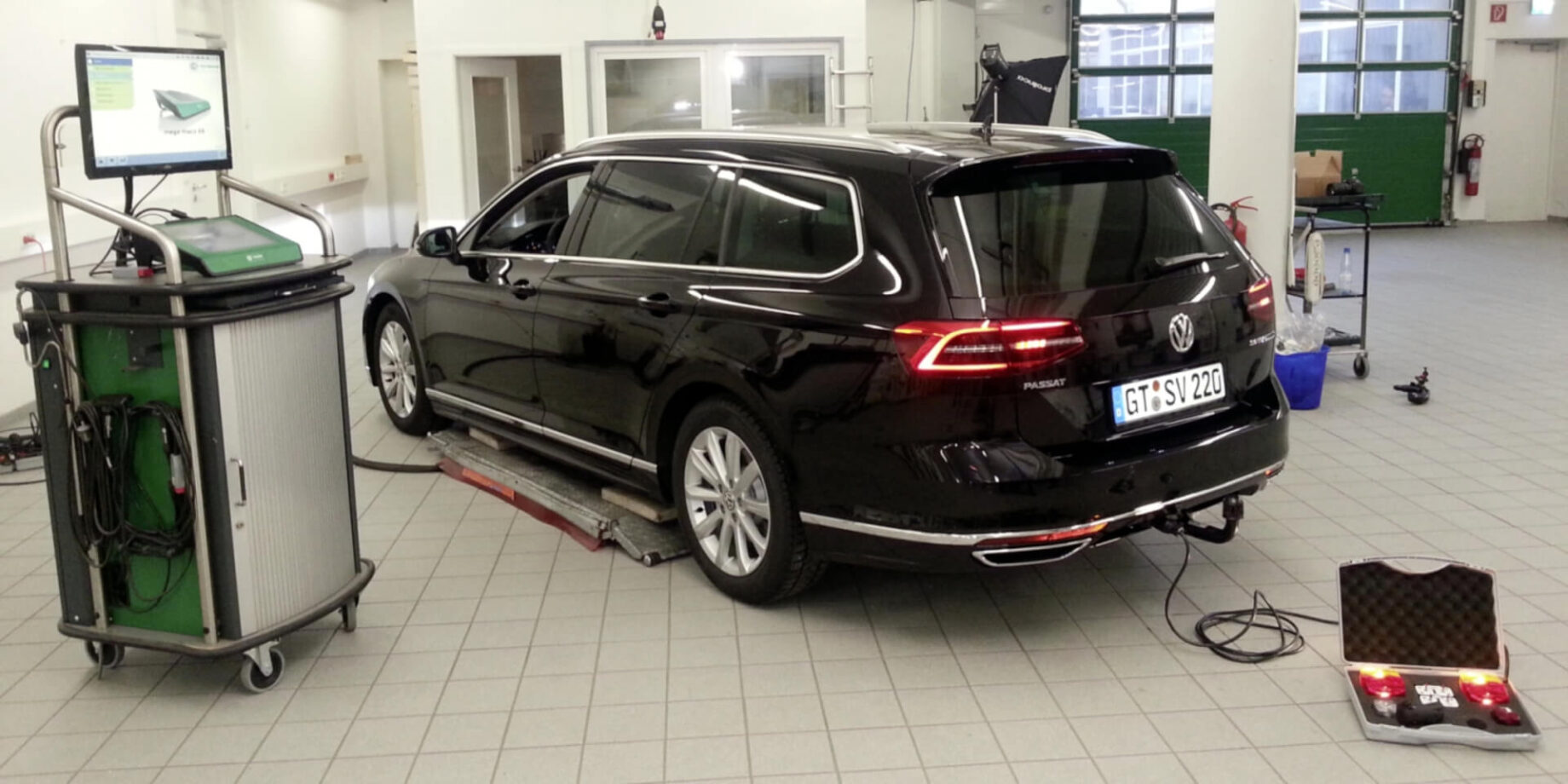
Comprehensive coding support for maximum vehicle functionality
Coding unlocks the full range of features (depending on the vehicle’s equipment). JAEGER automotive therefore always recommends coding, even if it’s only suggested as an option.
Our installation instructions describe the diagnostic process in detail and provide any necessary codes (currently excluding SWaP codes for VW). This applies to both the original equipment diagnostic testers from vehicle manufacturers and common aftermarket devices. Our hotline is available to assist you with any problems (EasyHelp).
Here, too, we are pioneers and the benchmark in the industry.
What changes does the coding for trailer operation bring?
Depending on the vehicle’s equipment, the coding enables various additional functions, such as:
- Deactivation of the vehicle’s rear fog light (NSL) when a trailer is connected
- Muting of the parking distance control (PDC) when a trailer is connected
- Display of the trailer indicator signal monitoring (C2) via the vehicle’s instrument cluster
- Support for the electronic trailer stability control (T-ESP) when a trailer is connected
- Support for the adaptive cruise control (ACC)
- Support for the front camera system
- Support for traffic sign recognition in relation to trailer operation
- Support for the reversing camera
- Deactivation of the automatic tailgate when a trailer is connected to prevent unintended damage
- Support for the engine map regarding cooling performance or torque increase
- Support for the lane change assist
- Deactivation of the parking assist to prevent unintended damage
- Deactivation of the start/stop system
- etc.
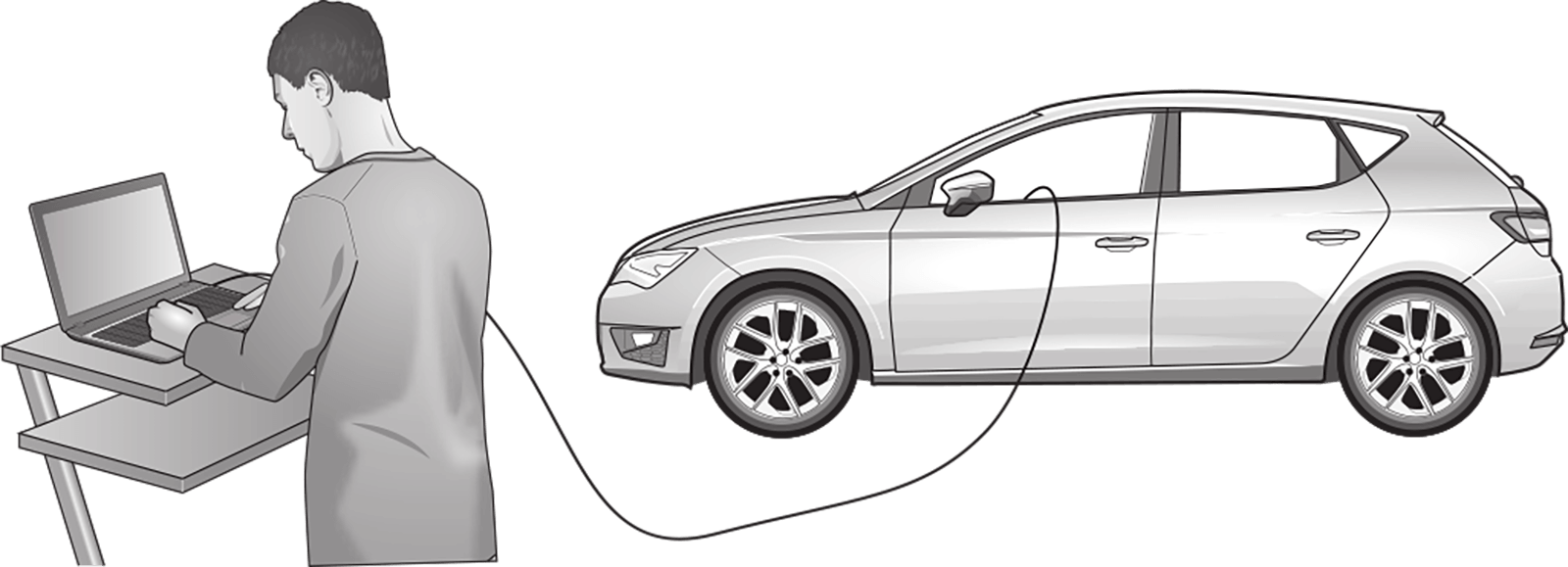
A fundamental distinction must be made between:
Local coding:
This is performed locally on the vehicle, i.e., without an online connection to the vehicle manufacturer’s server. In practice, this is currently the most common coding method. Independent workshops, in particular, use this method to be able to work independently of authorized dealerships. If the vehicle manufacturer performs a software update, the local coding for trailer operation would also have to be reperformed. This is because no data is redocumented on the vehicle manufacturer’s server.
Online coding:
This currently refers to the so-called manufacturer’s diagnostics using the original diagnostic equipment directly in the manufacturer‘s workshop. If the vehicle manufacturer performs a software update, the coding for trailer operation remains unaffected because the data is automatically redocumented on the vehicle manufacturer’s server.